
 enEnglisch

…Deciphering Lost Knowledge
Methode der Forschung und Dokumentation
Our research is oriented at the present standards following ICOM and CIMCIM. ¹
¹ (Comité international pour les musées et collections d’instruments et de musique /// International Committee for Museums and Collections of Instruments and Music; Comité internacional para museos y colecciones de instrumentos y de música).
GIMK Leitfaden zum Umgang mit restaurierungsbedürftigen historischen Musikinstrumenten
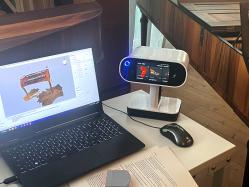
Documentation of the historical instruments
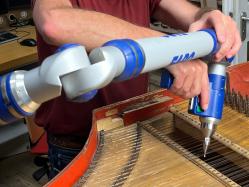
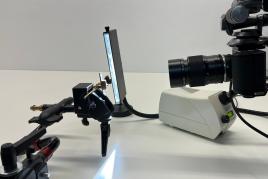
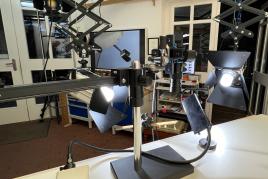
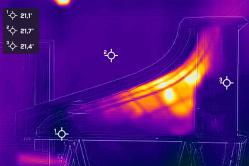
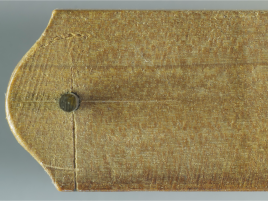
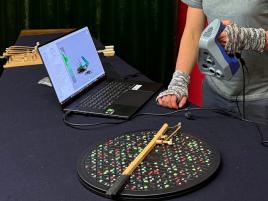
At a first stage dimensions of an instrument and its individual parts are surveyed and recorded, including all traces of manufacturing, repair and restoration processes, aging and damage.
The focus is on a complete documentation of the instrument "as is at present" as a record of the historical state of the instrument as such as well as a fundament for future data interpretation.
Überblick: Verfahren und Methoden der Bestandsaufnahme


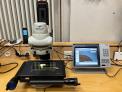
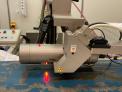
RFA
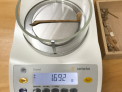
Feinwaage
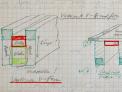
notes
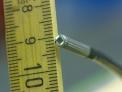
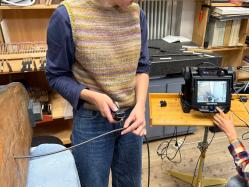
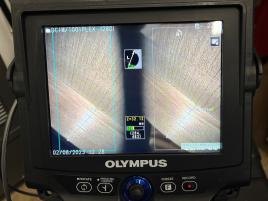
Boriscopes
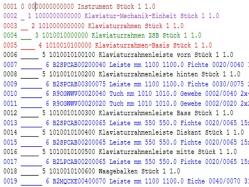
Stückliste
Ausführliche Informationen erhalten Sie im nachfolgenden Akkordeon-Container:
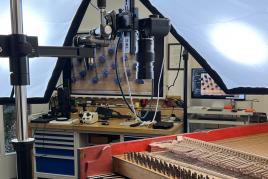
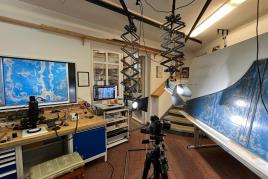
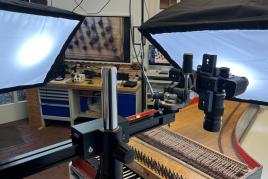
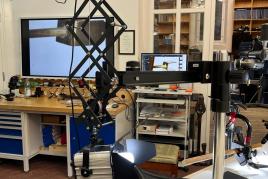
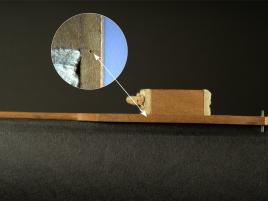
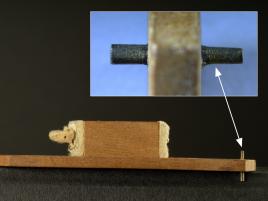
Photo documentation
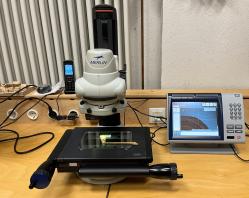
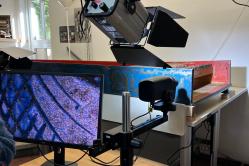
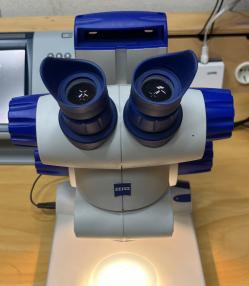
Measuring Microscopes
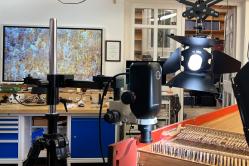
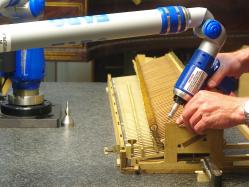
3D Measuring Systems
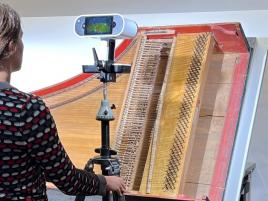
Datenerfassung mit 3D-Scans / Streiflichtscan
Boriscopes

Feinwaage

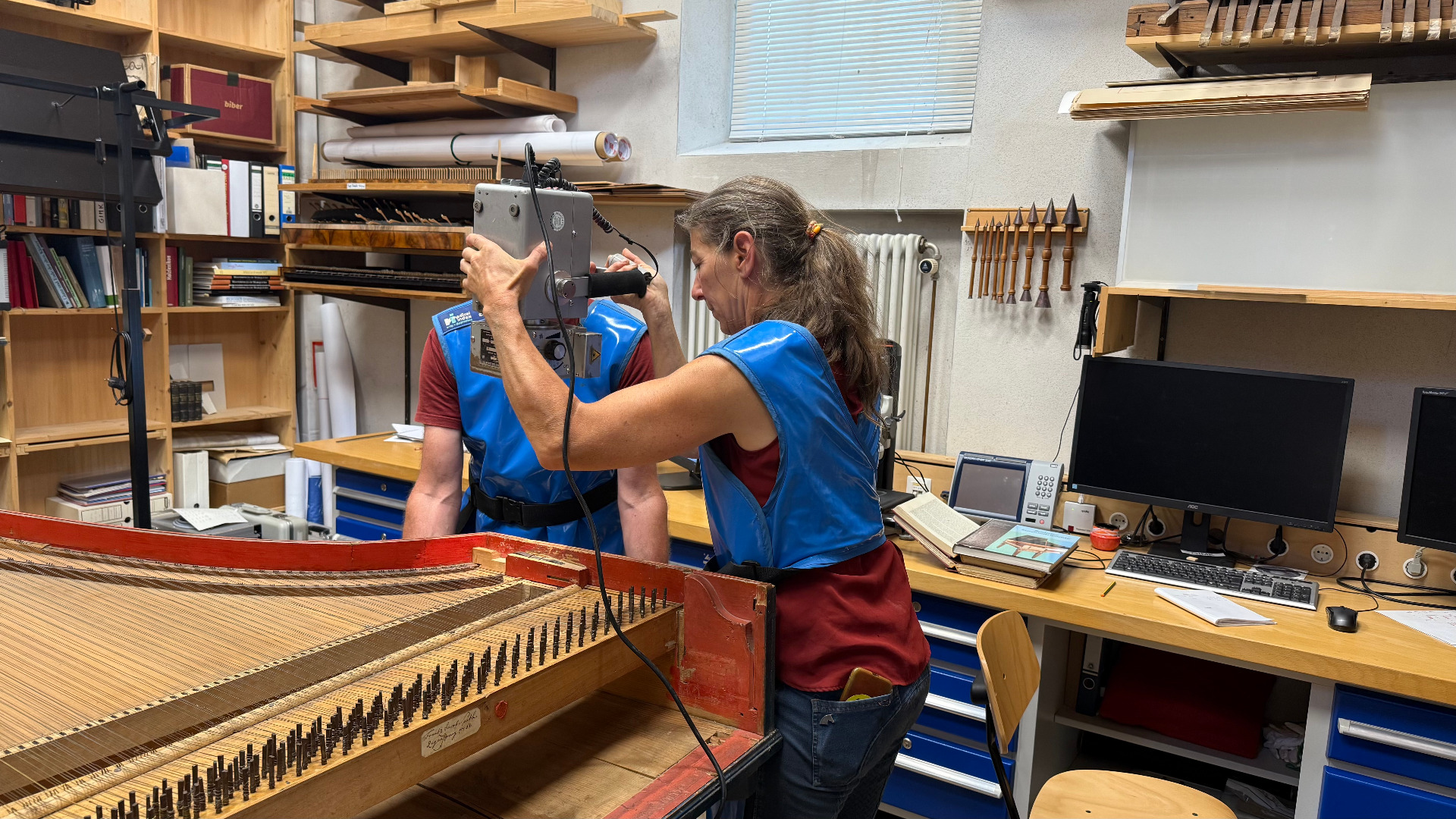
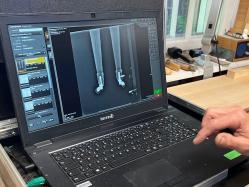
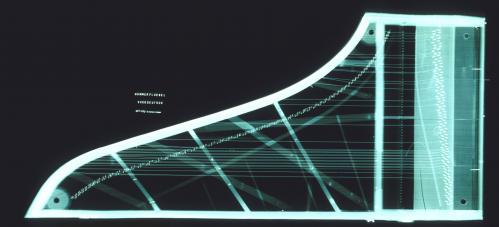
X-ray photography
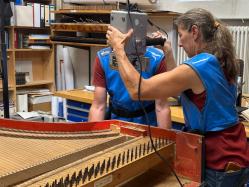
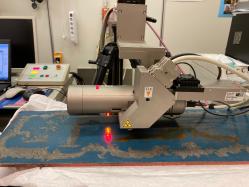
Röntgenfluoreszenzanalyse RFA
Skizzen
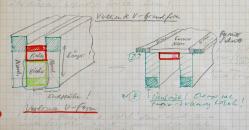
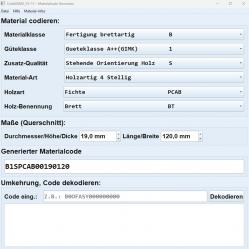
Stückliste

Erstellung von CAD-Bauplänen
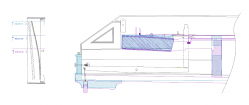
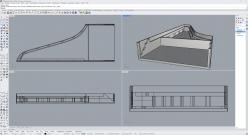
This forms a basis for the drawing of plans which enable hypotheses about any original or concept state of an instrument based on the documented traces of manufacturing or changes. Only then any reconstructions of eventual concepts can be based on a solid data fundament. These also can be realised on a virtual basis without any modifications or alterations of the original instrument.
The documentations tools we use establish a database for highly precise as well as easily understandable two- and three-dimensional representations of the various objects, containing all measured data, thus available for further research. Such a database can be achieved within reasonable time and financial efforts.
Our researchers study archival records and reference materials to provide history and context of a specific instrument.
Re-creating and re-engineering

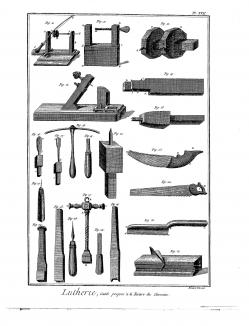
Re-creating and re-engineering a historical instrument, on a basis of a thorough documentation and re-establishing the techniques and methods as visible by tool traces in the original is a process known from experimental archaeology, as an approach to methods without unbroken traditions to present times. Construction, function, and realisation of the expressive and esthetic desires of an era can thus be experienced and understood.
Thus a public interest to experience the sound of a historical instrument and to demonstrate its artistic qualities can be equally met with the demands of preservation, conservation, and the avoidance of imminent dangers of further wear and loss by using a precious original to deterioration.
We try to achieve a better understanding of the historical musical instrument as a precious document and source of our cultural and technical heritage.
The result is a fac-simile replica based on scientific data with permanent control of its manufacture that can for itself form a basis of future research.
Reverse-Engineering Replica

A fac-simile replica permits investigation of playing and sound characteristics etc. in theory and practice, without any tampering with the historical original instrument, thus allowing the preservation of an original as a memorial and historical source for future generations, and offering a research and interpretation fundament unaffected by the wear and tear of the original as well as serving as a prototype and reference for further fac-simile replicas, in this way forming a reference for enduring aging processes.
The scientific reconstructions created at the institute using the methods of experimental archaeology can be found under the corresponding menu item„REVERSE ENGINEERING".